Essential Helpful Beauty Tips for a Natural, Healthy Glow

Essential Helpful Beauty Tips for a Natural, Healthy Glow
When it comes to looking and feeling your best, the journey often begins with simple, consistent habits rather than complicated routines or expensive products. True beauty radiates from within, and by focusing on a few key areas—hydration, nourishment, sleep, and mindful skincare—you can unlock a natural glow that no makeup can replicate. In this guide, we’ll explore a variety of helpful beauty tips that are easy to incorporate into your daily life, whether you’re a busy professional, a yoga enthusiast, or someone just beginning to prioritize self-care.
Many people mistakenly believe that achieving beautiful skin requires a cabinet full of serums and treatments. While those can certainly play a role, the foundation of any effective beauty regimen is built on basic wellness practices. From the foods you eat to the way you manage stress, every choice influences your complexion, hair, and overall vitality. Let’s dive into practical, science-backed advice that will help you glow from the inside out.
Hydration: The Ultimate Beauty Elixir
Water is life, and it’s also the most underrated beauty product available. Your skin is your largest organ, and when it’s dehydrated, it can look dull, flaky, and more prone to fine lines. Drinking an adequate amount of water each day helps maintain skin elasticity, flush out toxins, and promote a clear, even tone. But hydration isn’t just about what you drink—it’s also about what you apply topically. Using a hydrating moisturizer with ingredients like hyaluronic acid can lock in moisture and plump the skin. For an extra boost, consider incorporating a facial mist into your routine, especially if you spend long hours in air-conditioned or heated environments.
In addition to water, herbal teas and water-rich fruits and vegetables—such as cucumber, watermelon, and oranges—contribute to your daily fluid intake. If you find plain water boring, infuse it with lemon, mint, or berries for a refreshing twist. Remember, your body’s hydration needs vary based on activity level, climate, and overall health, so listen to your body and drink accordingly. A simple habit like starting your morning with a glass of water can set a positive tone for the rest of the day.
Nourish Your Skin from Within: Foods for Beauty
You are what you eat, and your skin reflects your diet more than you might think. Antioxidant-rich foods, such as berries, leafy greens, and nuts, help combat oxidative stress caused by free radicals, which can accelerate aging. Omega-3 fatty acids found in salmon, walnuts, and flaxseeds support the skin’s lipid barrier, keeping it supple and hydrated. Vitamin C, abundant in citrus fruits and bell peppers, is essential for collagen production, which maintains skin’s firmness and elasticity. Additionally, foods high in zinc, like pumpkin seeds and lentils, aid in skin repair and can help reduce acne breakouts.
Incorporating these foods into your meals doesn’t have to be complicated. Start your day with a smoothie packed with spinach, banana, and berries. Snack on a handful of almonds or a small bowl of Greek yogurt with honey. For dinner, grill a piece of salmon with a side of steamed broccoli and quinoa. These small changes can have a profound impact on your skin’s health over time. Remember, a balanced diet not only benefits your skin but also boosts your energy levels and overall well-being—a true win-win.
Sleep: The Beauty Reset
They call it “beauty sleep” for a reason. During deep sleep, your body goes into repair mode, producing collagen and elastin, reducing puffiness, and restoring your skin’s moisture balance. Chronic lack of sleep can lead to dark circles, dull complexion, and an increase in stress hormones that may trigger breakouts. Aim for 7-9 hours of quality sleep each night, and try to maintain a consistent sleep schedule, even on weekends. Create a calming bedtime routine that may include reading, gentle stretching, or meditation—practices that align beautifully with a wellness lifestyle.
Your sleep environment also matters. Keep your bedroom cool, dark, and quiet to promote restful slumber. Invest in a silk pillowcase, which is gentler on your skin and hair, reducing friction and preventing sleep lines. Additionally, avoid screens at least an hour before bed, as the blue light can interfere with your circadian rhythm and melatonin production. By prioritizing sleep, you’re giving your body the time it needs to rejuvenate, leaving you looking refreshed and radiant each morning.
Sun Protection: Your Daily Shield
One of the most critical helpful beauty tips is to never skip sunscreen, regardless of the weather. Ultraviolet (UV) rays are responsible for up to 80% of visible skin aging, including wrinkles, age spots, and loss of elasticity. Even on cloudy days, up to 80% of UV rays can penetrate your skin. Therefore, applying a broad-spectrum sunscreen with at least SPF 30 every morning is non-negotiable. Choose a formula that suits your skin type—whether it’s a lightweight gel for oily skin or a creamy moisturizer for dry skin—and remember to reapply every two hours if you’re outdoors.
Besides sunscreen, consider wearing protective clothing, wide-brimmed hats, and sunglasses to shield your face and eyes. Seek shade during peak sun hours (10 a.m. to 4 p.m.), and be extra cautious around water, sand, and snow, which reflect and intensify UV rays. Sun protection is not just about preventing sunburn; it’s a long-term investment in your skin’s health and youthful appearance. Make it a habit, just like brushing your teeth, and your future self will thank you.
Simplify Your Skincare Routine: Consistency Over Complexity
In the world of beauty, more is not always better. Overloading your skin with too many products can irritate it, disrupt its natural barrier, and lead to breakouts or sensitivity. Instead, focus on a gentle, effective routine that you can stick to daily. The basics include a mild cleanser, a hydrating toner (optional), a moisturizer, and sunscreen during the day. At night, remove makeup thoroughly and apply a nourishing night cream or facial oil to support skin repair while you sleep.
When introducing new products, do so one at a time and patch-test them on a small area of skin to check for adverse reactions. Give each product at least two weeks to see results before adding another. Also, pay attention to your skin’s changing needs—during winter, you may need a richer moisturizer, while in summer, a lighter gel might suffice. By keeping your routine simple and consistent, you allow your skin to maintain its natural balance and respond better to active ingredients. Remember, the goal is healthy skin, not a cluttered shelf.
Manage Stress for a Clear Complexion
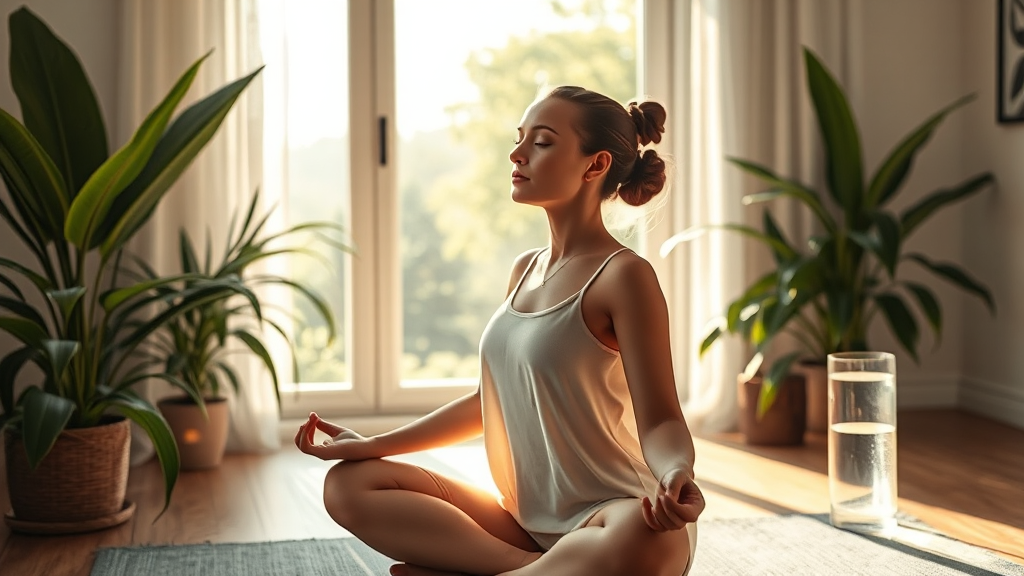
Stress can wreak havoc on your skin, triggering inflammation, breakouts, and even accelerating the aging process. When you’re stressed, your body produces cortisol, a hormone that increases oil production and can lead to acne. Moreover, stress often leads to poor habits like touching your face, forgetting to moisturize, or reaching for unhealthy snacks. Therefore, incorporating stress-reducing practices into your daily routine is essential for both your mental and physical beauty. Yoga, meditation, deep breathing exercises, or simply taking a walk in nature can lower cortisol levels and promote a sense of calm.
For yoga enthusiasts, poses like Child’s Pose, Legs-Up-the-Wall, and Savasana are particularly effective for relaxation. These practices not only help clear your mind but also improve blood circulation, giving your skin a healthy, natural flush. Additionally, consider journaling or talking to a friend to process emotions. Finding healthy outlets for stress is a cornerstone of a holistic beauty regimen. When you’re at peace, it shows on your face—a glow that no highlighter can mimic.
Frequently Asked Questions (FAQ)
How often should I exfoliate my skin?
Exfoliation helps remove dead skin cells, but over-exfoliating can damage your skin’s barrier. For most skin types, exfoliating 1-2 times per week is sufficient. If you have sensitive skin, opt for a gentle chemical exfoliant (like lactic acid) rather than a physical scrub. Always follow up with a moisturizer to soothe the skin.
Can I use natural ingredients for skincare?
Absolutely! Many natural ingredients like honey, aloe vera, oatmeal, and coconut oil have beneficial properties. However, it’s important to patch-test any DIY treatment and remember that natural doesn’t always mean safe for every skin type. For example, lemon juice can be irritating and increase sun sensitivity. When in doubt, consult a dermatologist.
What’s the best way to apply moisturizer?
For maximum absorption, apply moisturizer to slightly damp skin, preferably right after cleansing or bathing. Use gentle upward strokes to massage the product in, and don’t forget your neck and chest. The warmth of your hands helps the product penetrate better.
How can I reduce the appearance of dark circles?
Dark circles can be caused by genetics, lack of sleep, allergies, or dehydration. Ensure you’re getting enough sleep and staying hydrated. Use a caffeine-infused eye cream to constrict blood vessels and reduce puffiness. Also, elevate your head with an extra pillow to prevent fluid pooling under your eyes. If dark circles persist, consult a dermatologist for advanced treatments.
Conclusion: Embrace Your Natural Beauty
True beauty is a reflection of your overall health and happiness. By adopting these helpful beauty tips into your lifestyle, you’re not just improving your appearance—you’re nurturing your body and mind. Remember, consistency is key. You don’t need to overhaul your life overnight; start with one or two changes and gradually build from there. Whether it’s drinking more water, getting better sleep, or taking a few minutes to meditate, every small step counts. Your skin, hair, and spirit will thank you. Here’s to your most radiant self!